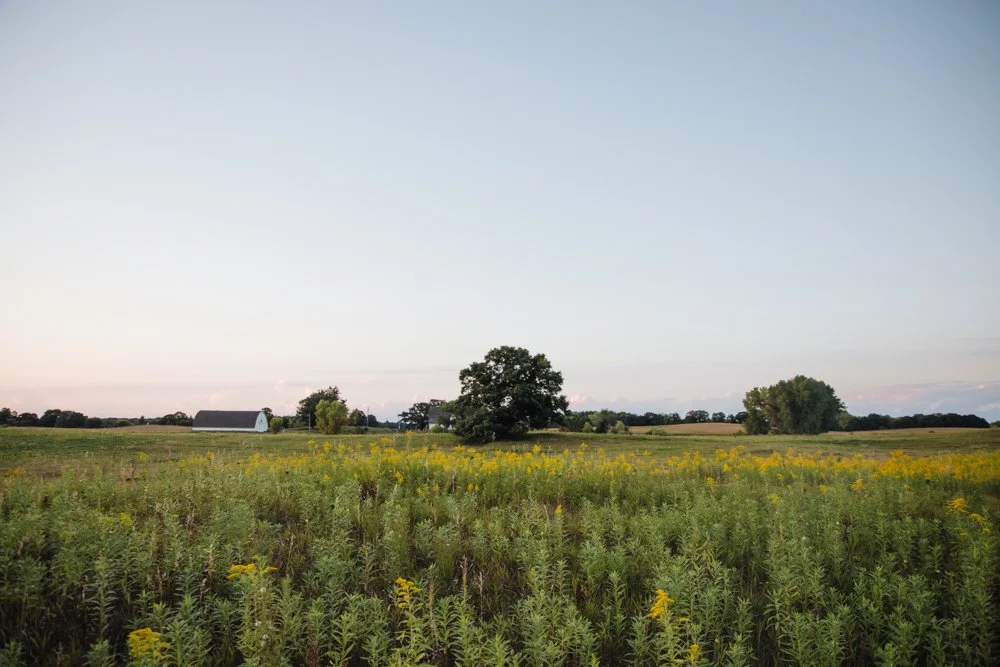
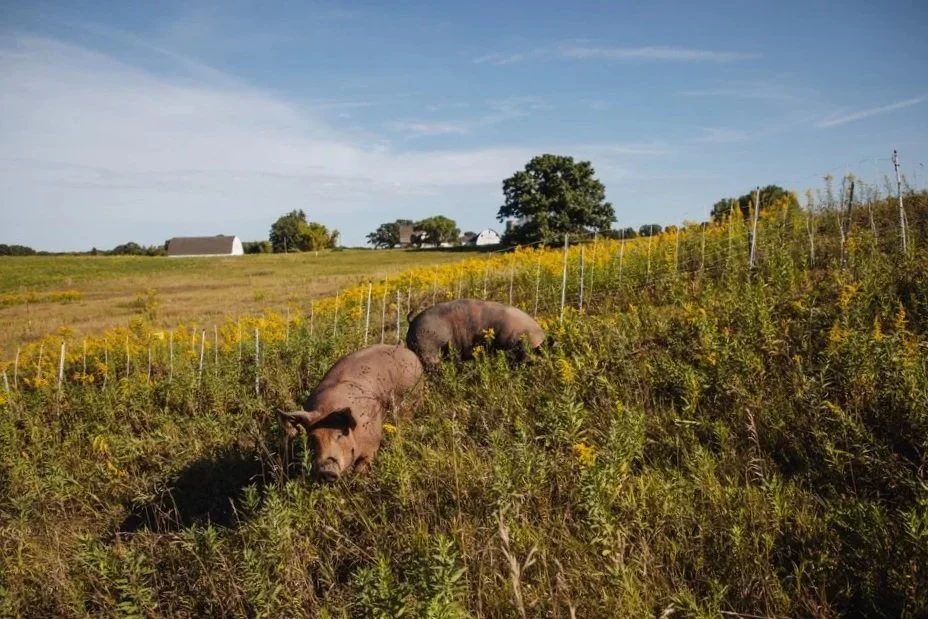
Five months ago we launched our project at Lake Elmo Park Reserve in partnership with Washington County. If you’re new to the blog you should read up on the journey so far. Over those five months we worked hard to ensure the hogs’ work at the park was satisfactory and that our interactions with the county exceeded expectations. As the project came to a close, we were able to schedule a meeting with the county to get feedback and discuss possibilities for the future. In this blog we’ll recap that meeting, and reflect on the project.
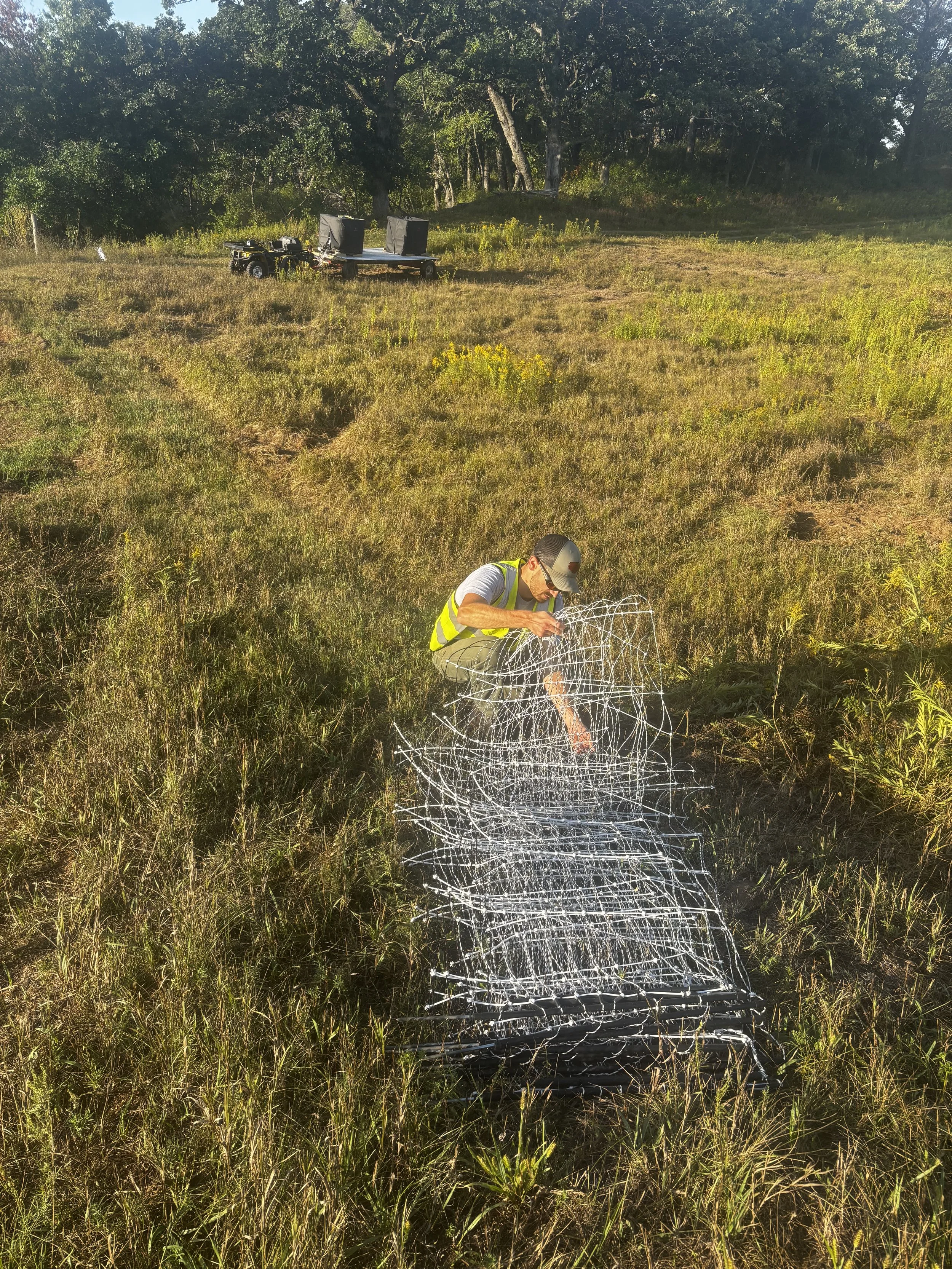
Rolling up fencing.
ATV ready to tow the shade/water wagon over to the trailer.
Our final trip to the park was on a beautiful September morning. We had already relocated the hogs to our leased pasture, down the road from our property, so all that remained was equipment we couldn’t fit in the first trip. We brought the truck and flatbed trailer down to pickup remaining fencing and the wagon that serves as shade and water storage for the hogs. We gathered fencing supplies, emptied the water tanks, and then towed the wagon over to the trailer with our ATV.
With a little creativity and the help of our flatbed, crew cab truck we managed to load up the wagon, two water totes, our ATV, all the fencing supplies, and the six of us for the drive home!
But I’m getting ahead of myself… once we finished loading up, the county park staff arrived for our project conclusion meeting. Like every other time meeting the park staff, we were greeted with smiles and handshakes. We started by recapping the season and all of the ground we had covered. We also talked through all the different tactics we tried to maximize rooting. It was in this part of the discussion I asked them how the guys handled it, referring to the two gentleman that worked with our pigs all summer long. The response was remarkable and quite funny. Each of these guys, who were pulling over time to make up for lost work from their injured and recovering coworker, LOVED working with the pigs! It was the highlight of their summer. There was actually a bit of tension with Dan, the leader in this group, because it was a struggle for him at times to get other project work done since the guys were prioritizing the pigs. Here we were concerned about the care and attention they’d receive in such a remote place, with county workers we didn’t know, and it turns out they probably received as much love and care as if on our property.
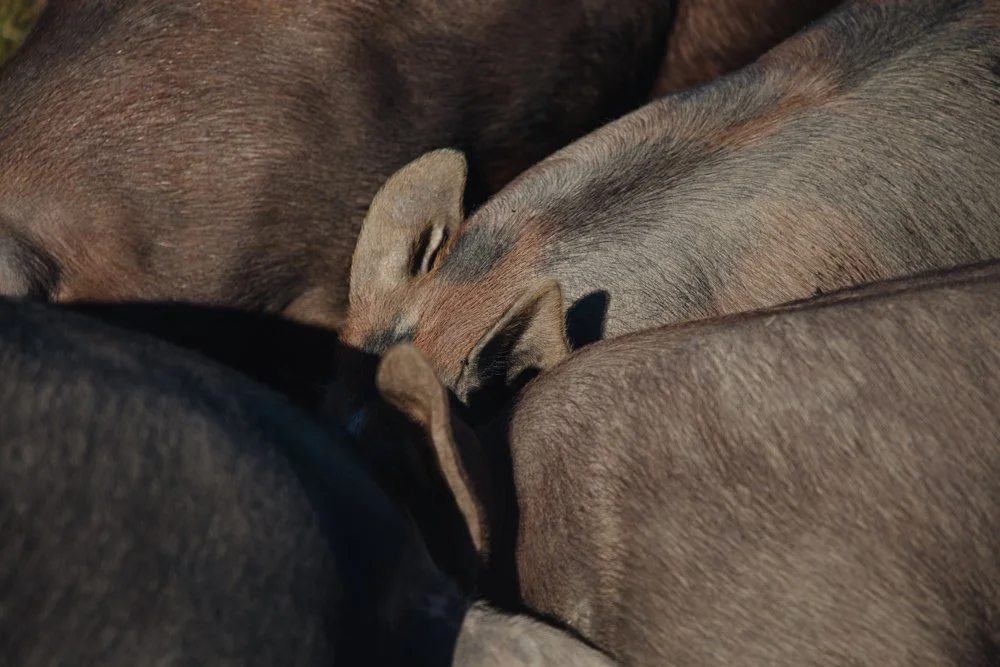
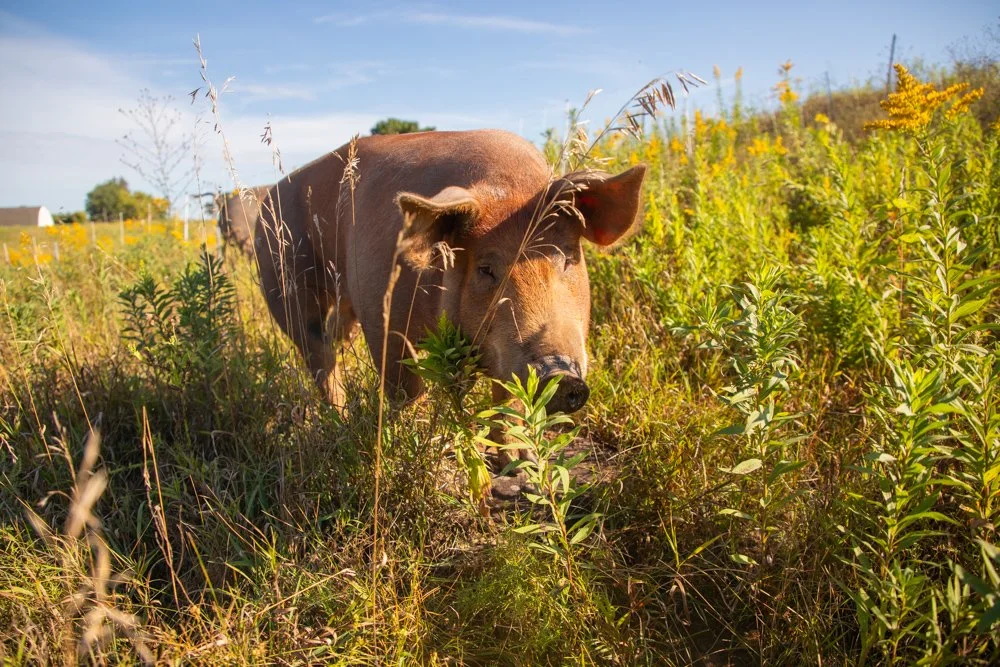
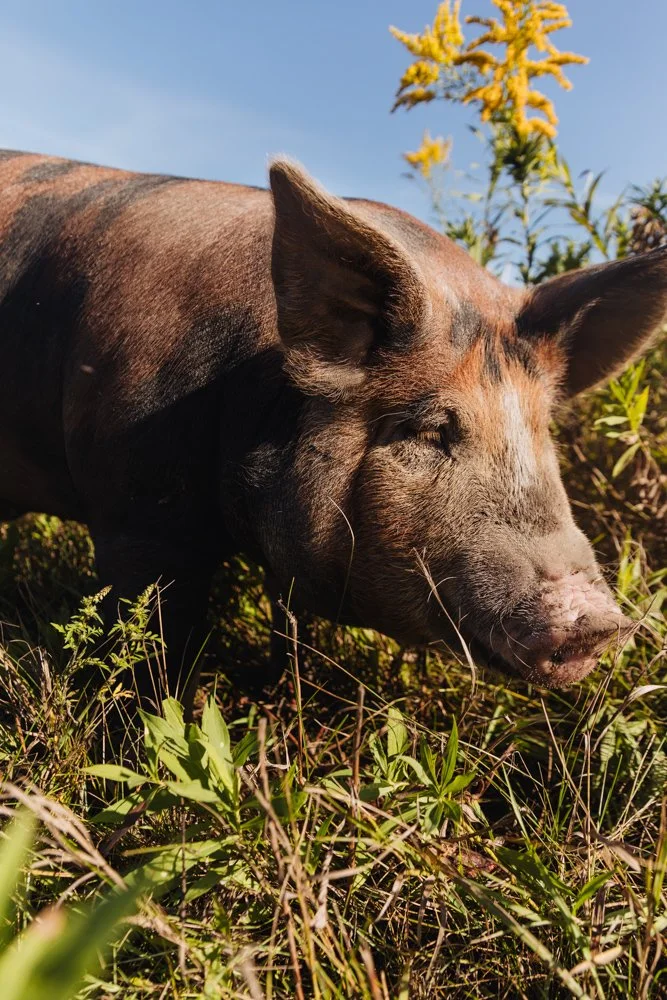
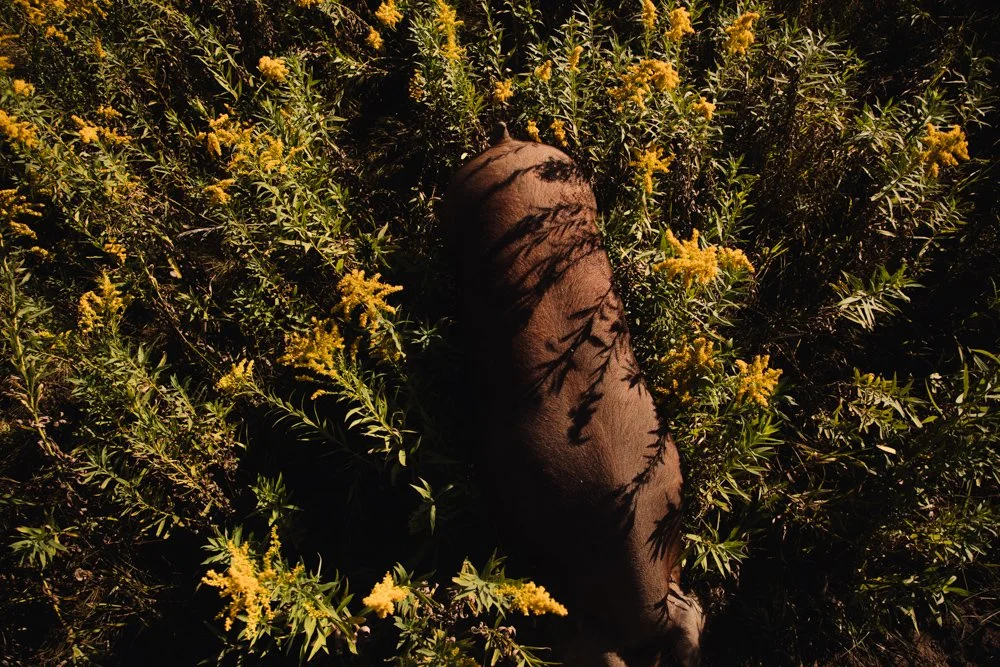
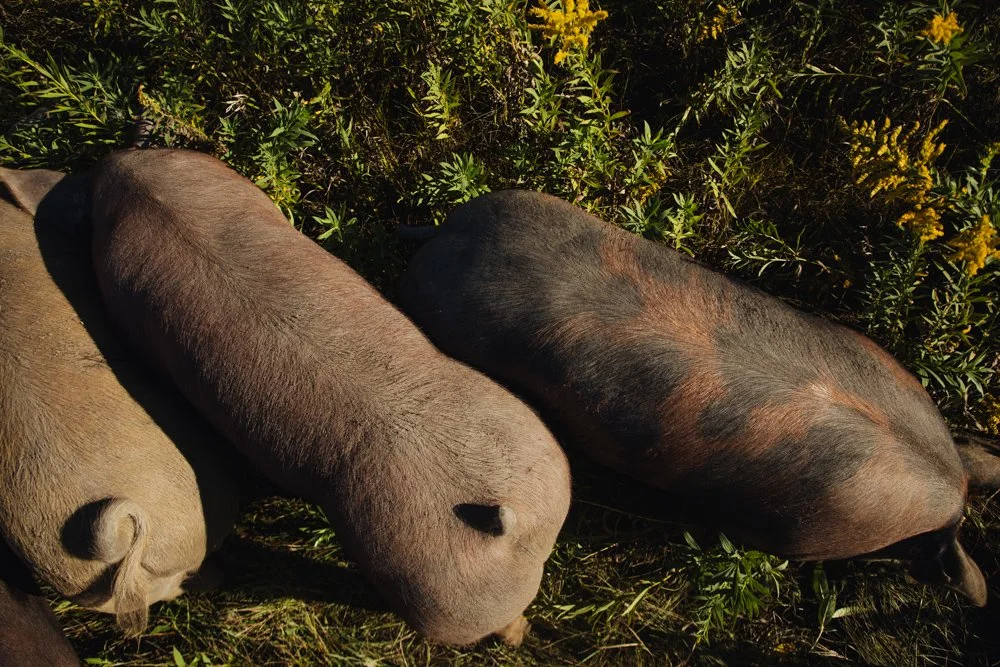
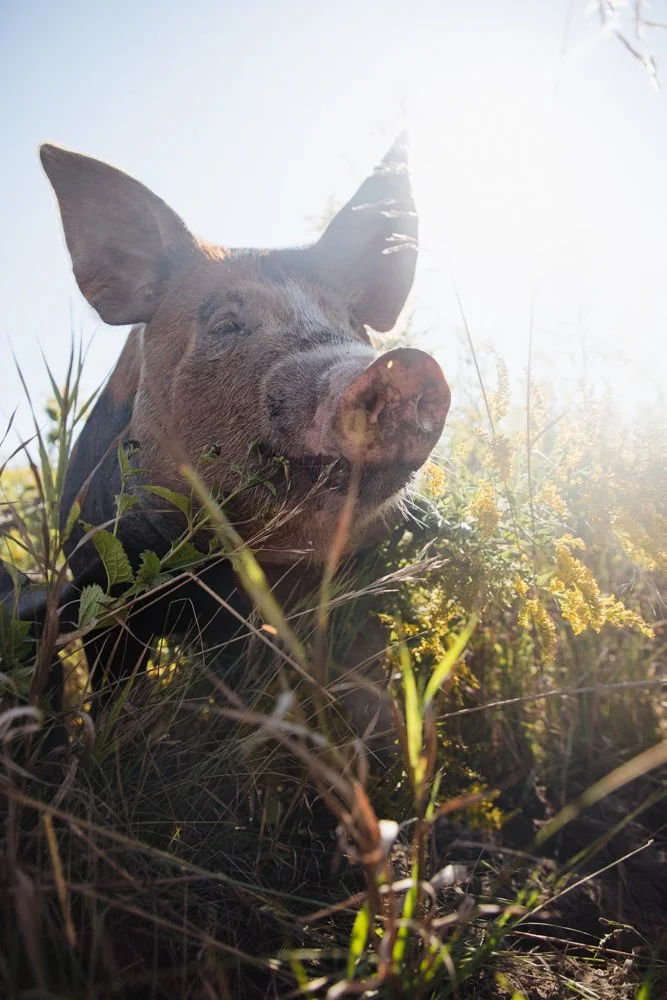
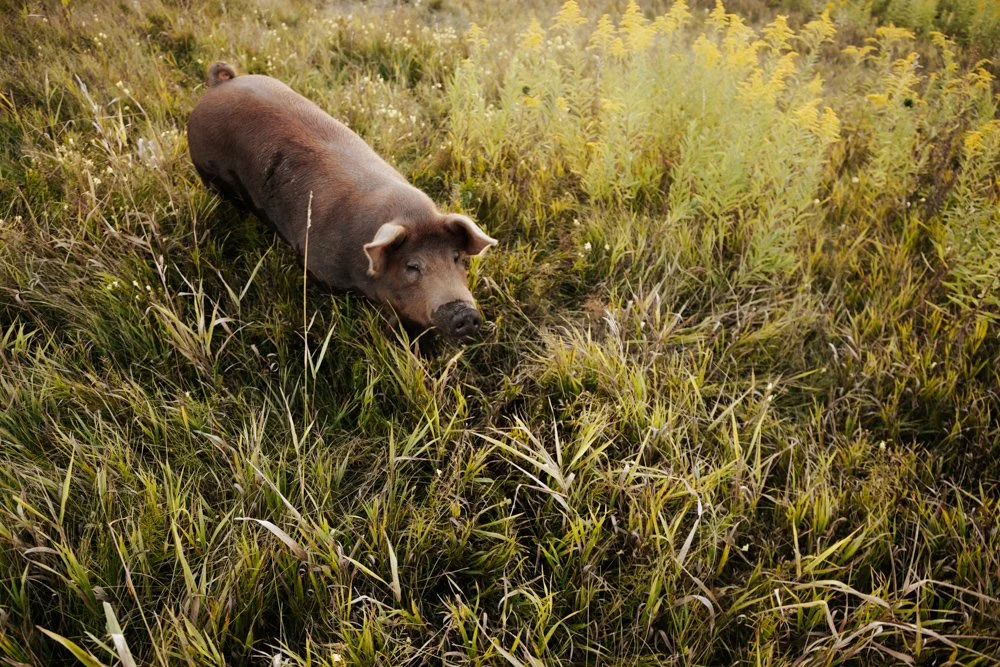
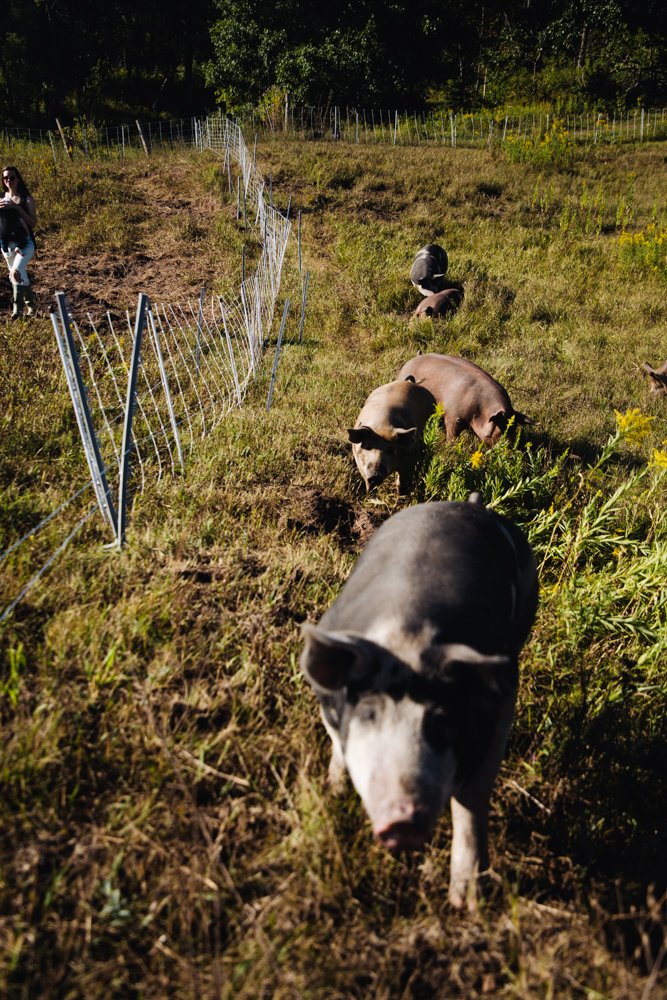
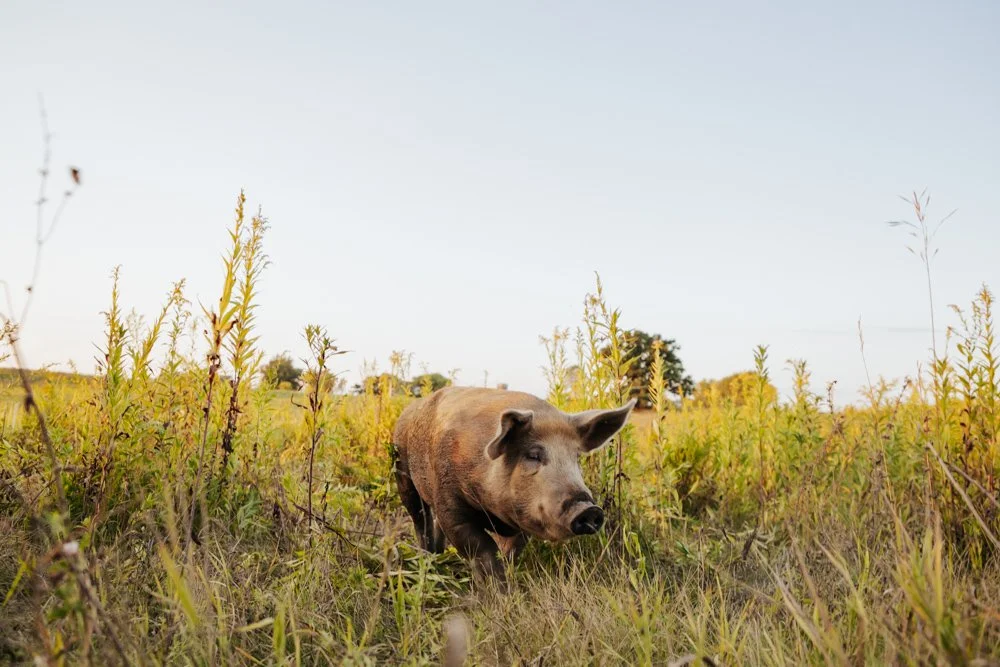
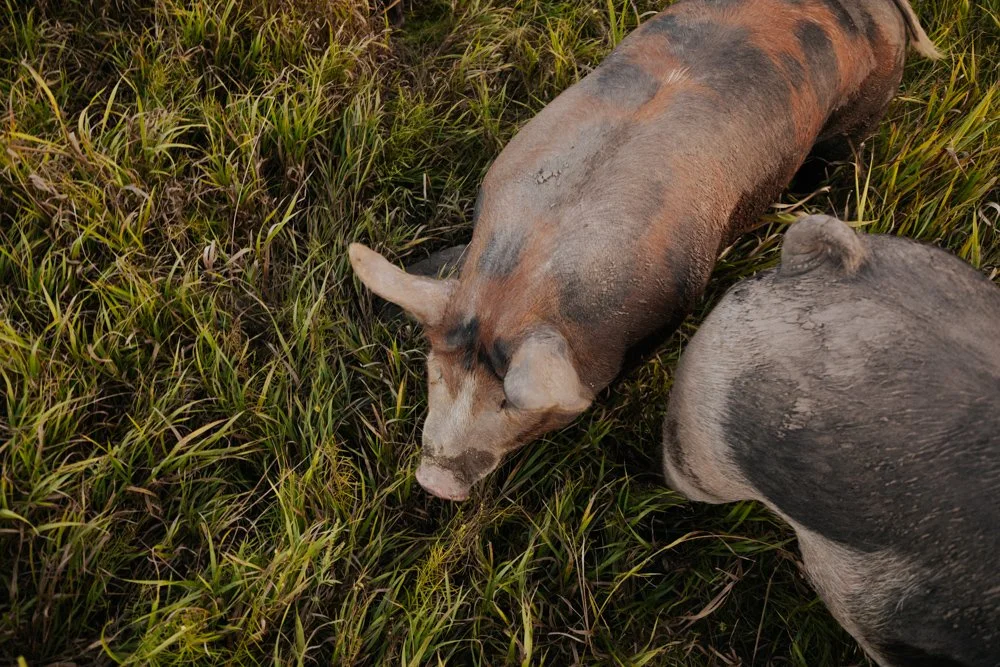
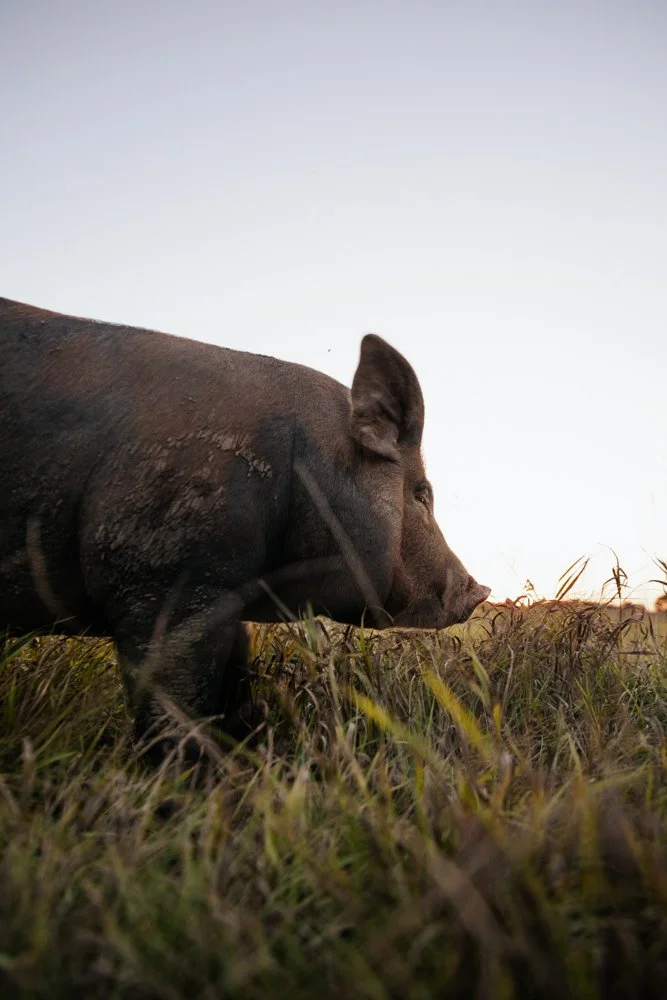
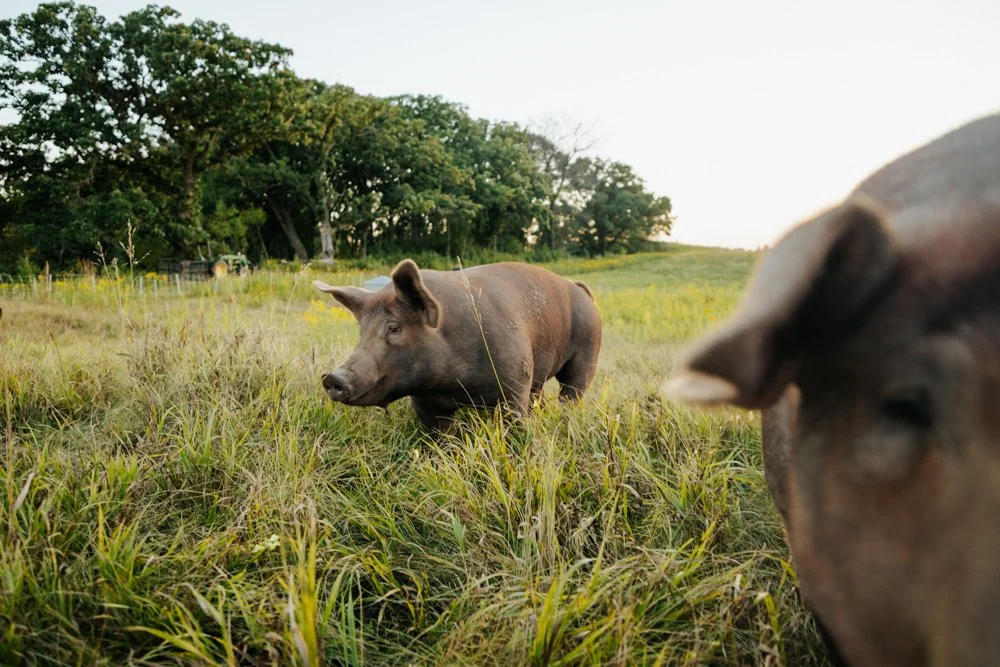
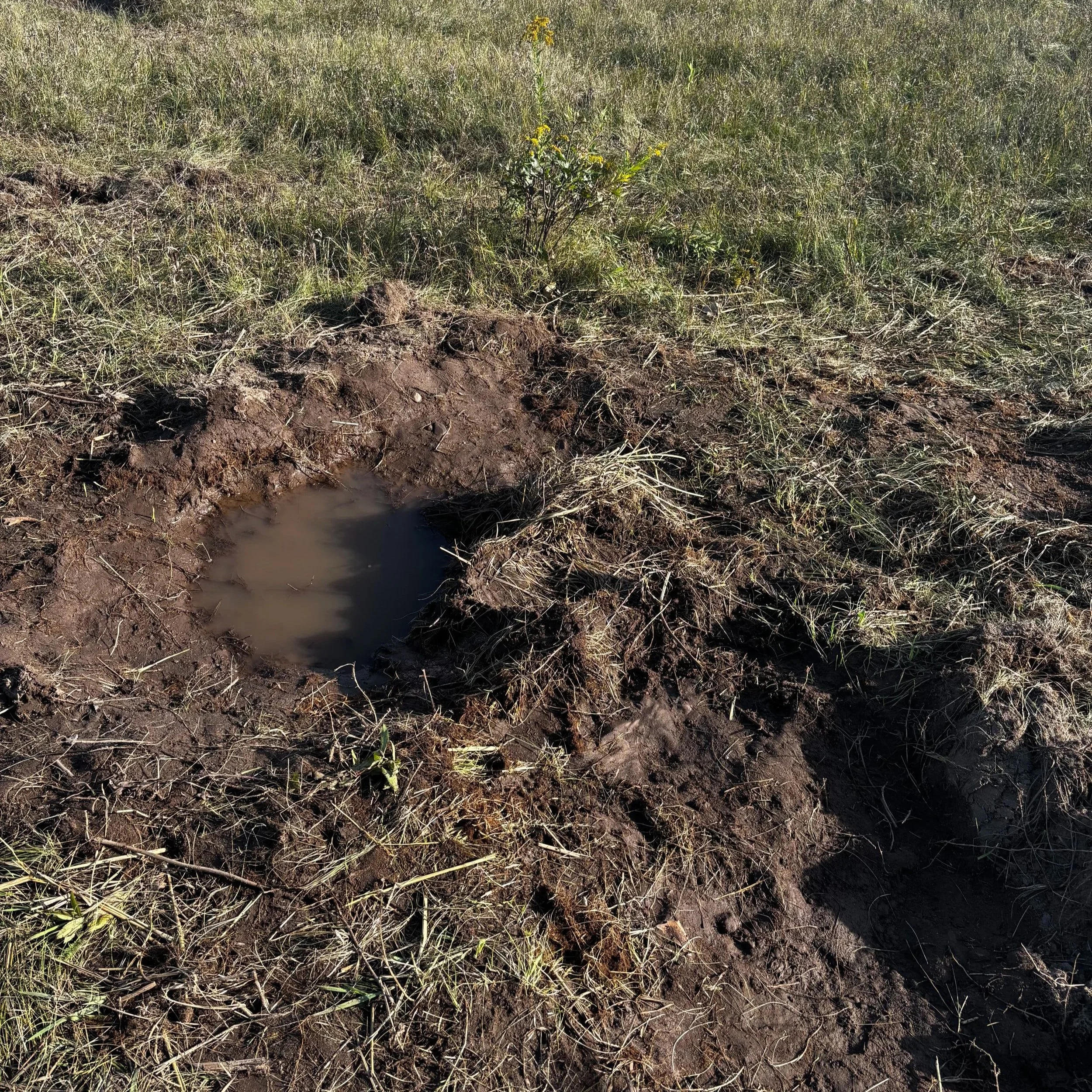
We continued the meeting as we walked through the fields and there was a lot of discussion and observation about plants and the ecosystem at the park. We looked at plants sprouting, which the county had planted following the rooted areas and also some plants that were not planted but simply responded to the soil disturbance and a chance to sprout. They were also thrilled to see the divots, where the hogs had wallowed, were holding water. This excited them as it will create new opportunities for plants, insects and animals that would not have existed otherwise.
Overall the county was extremely happy with the results and commended us for our commitment to the project and all the innovation and creativity to improve the process. I asked them if they reached burnout by the end and they said “Actually no but if it weren’t for all the improvements and changes you made along the way, we would have.”
Lake Elmo Farmers Market
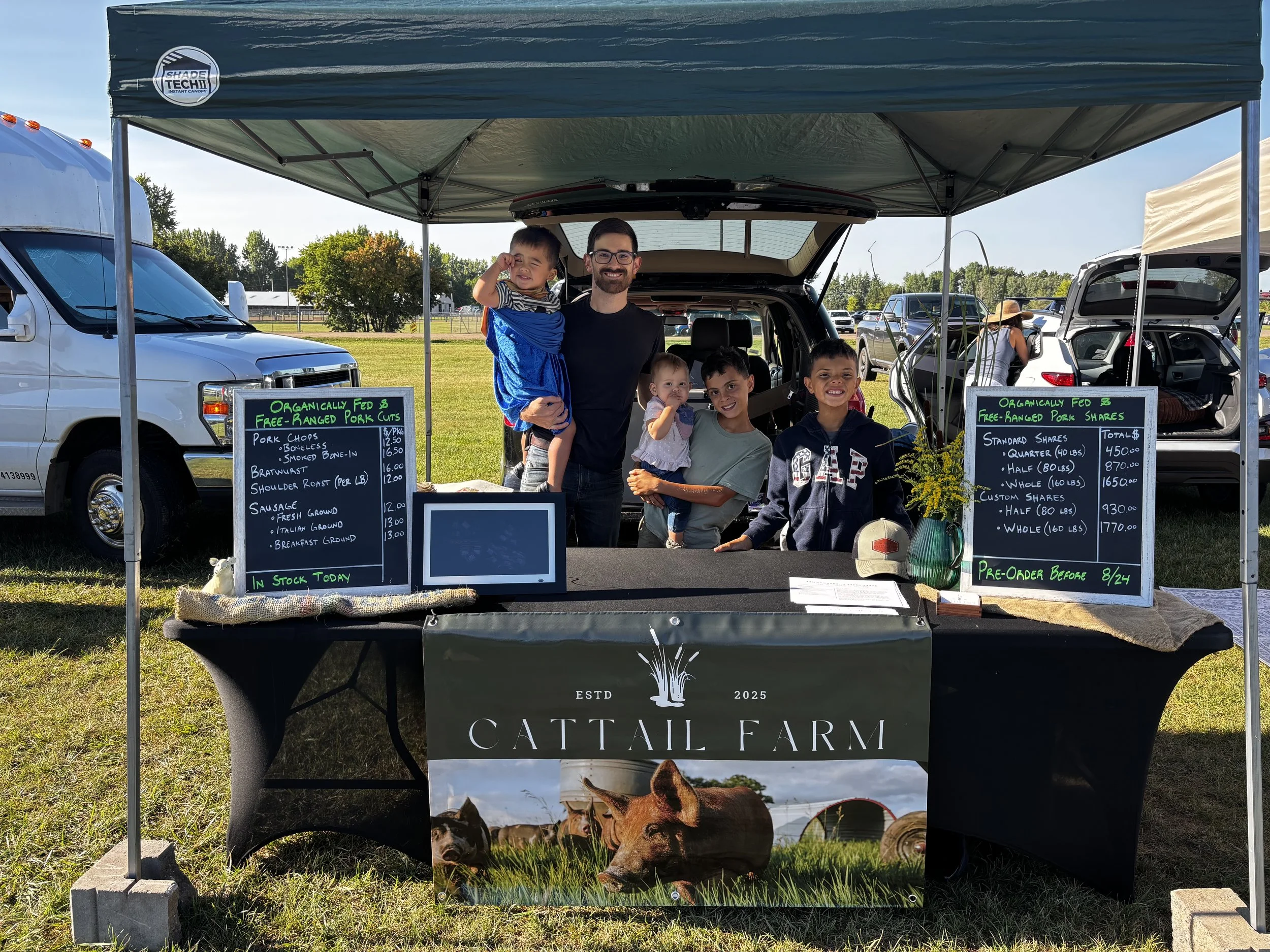
As we reflected on our own experience over the summer we came to a similar conclusion. There were many Saturday afternoons early summer when we’d work a four hour farmers market, come home and unload everything and then jump right back in the truck and drive down to the park to check the pigs.
In some cases there would be two hours of work to do to set up a new paddock and move them into fresh pasture. Now let me clarify, this work is not burdensome to us. We love the process, we enjoy taking care to keep healthy livestock, and we enjoy putting energy into the observation required to maintain a healthy balance within the ecosystem. But the time spent on the road and the lack of flexibility on the weekends wore on us by the end of the project.
So in conclusion we’ve contemplated, “was the project a success?” With the right perspective we can confidently say “Absolutely!” We learned a ton. We improved our pastured hog operation by both the equipment that supports it and the techniques we use. These experiences, lessons learned, and improvements now enable us to grow the operation confidently. We also fulfilled our contract with Washington County on time and budget. Although we did not cover as much acreage as we hoped, the pilot was a success from the county’s perspective and this now opens the door for future projects. More discussion is underway and there are possibilities on the table, but we’re most excited about the job well done and experience gained.